


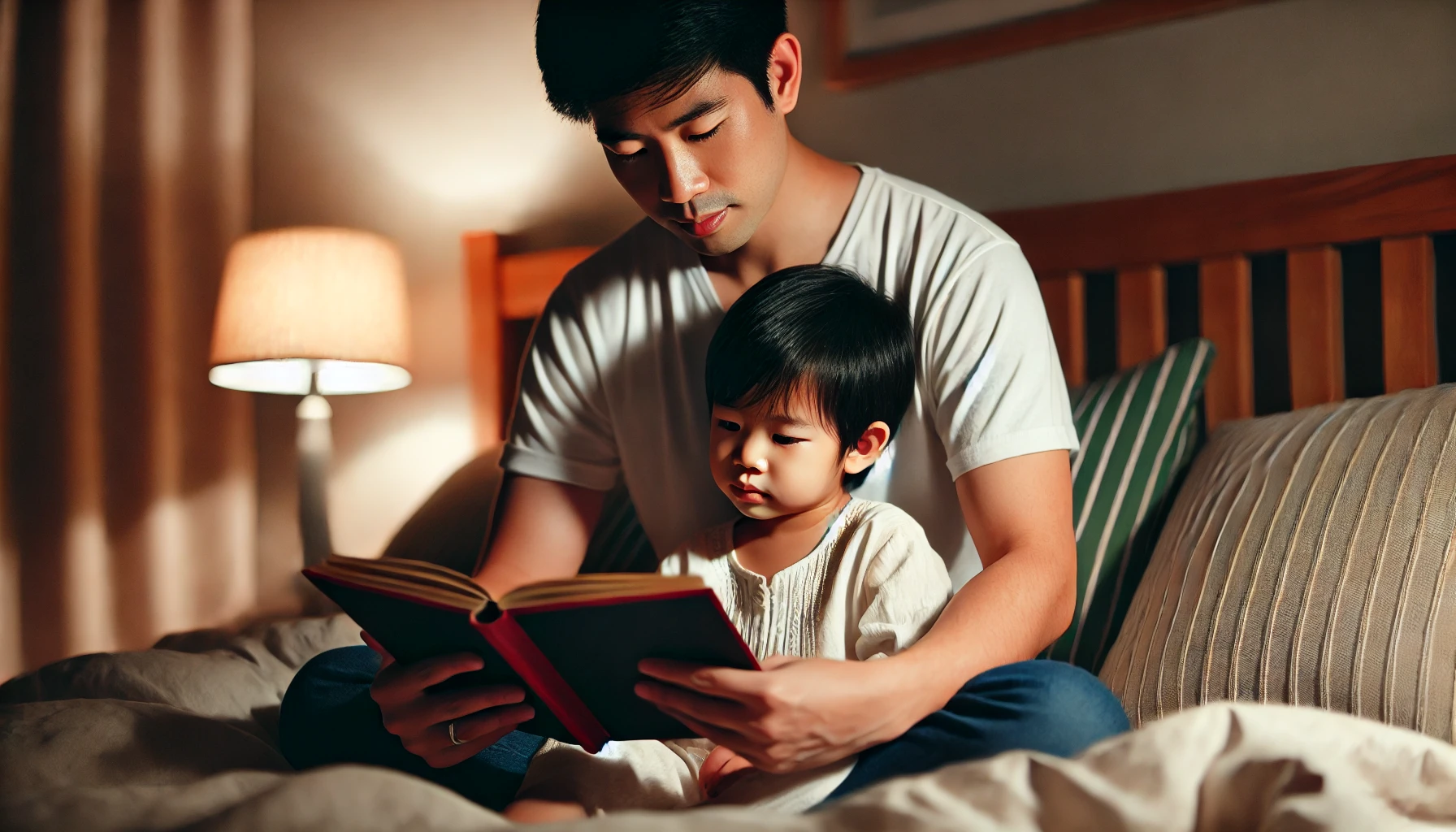
From the moment I first held my newborn son, I knew fatherhood would be an adventure unlike any other. Those tiny fingers gripping mine held the promise of countless shared experiences, joys, and challenges. While the role of mothers in child development has always been emphasized, the vital contribution of fathers is equally significant and often beautifully unique. Fathers, with their distinct approach to parenting, shape their children’s lives in ways that leave lasting impacts.
The Bond Begins Early

Fatherhood isn’t a role that starts when a child can walk or talk. It begins right from pregnancy. I remember attending prenatal classes and feeling my baby’s first kick against my hand. These early interactions are foundational. They build an emotional bond that sets the stage for a father’s involvement throughout the child’s life.
Fathers who are engaged during pregnancy and birth are more likely to remain actively involved in their child’s upbringing. This early connection fosters a sense of responsibility and nurtures a deeper emotional bond. When fathers participate in prenatal appointments and engage in discussions about baby care, they set a precedent for a hands-on approach that continues as their child grows.
Active Participation: Quality and Quantity
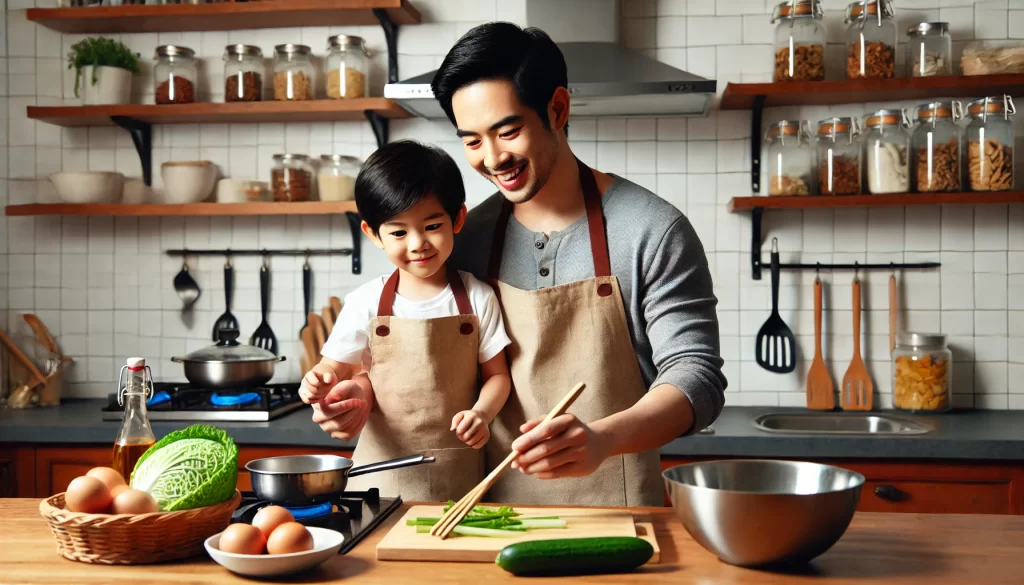
The modern father is far more involved in the day-to-day activities of child-rearing than previous generations. Changing diapers, attending school events, and even learning to braid hair – these are tasks today’s fathers take on with pride. I recall my first attempt at changing a diaper – it was a messy affair, but the sense of accomplishment and connection it brought was irreplaceable.
Research shows that children with actively involved fathers tend to have better social and academic outcomes. They exhibit higher levels of confidence, perform better in school, and are more likely to form healthy relationships. It’s the consistency of these interactions – the bedtime stories, the morning routines, the weekend adventures – that enriches a child’s life with stability and love.
The Unique Touch of Fatherhood
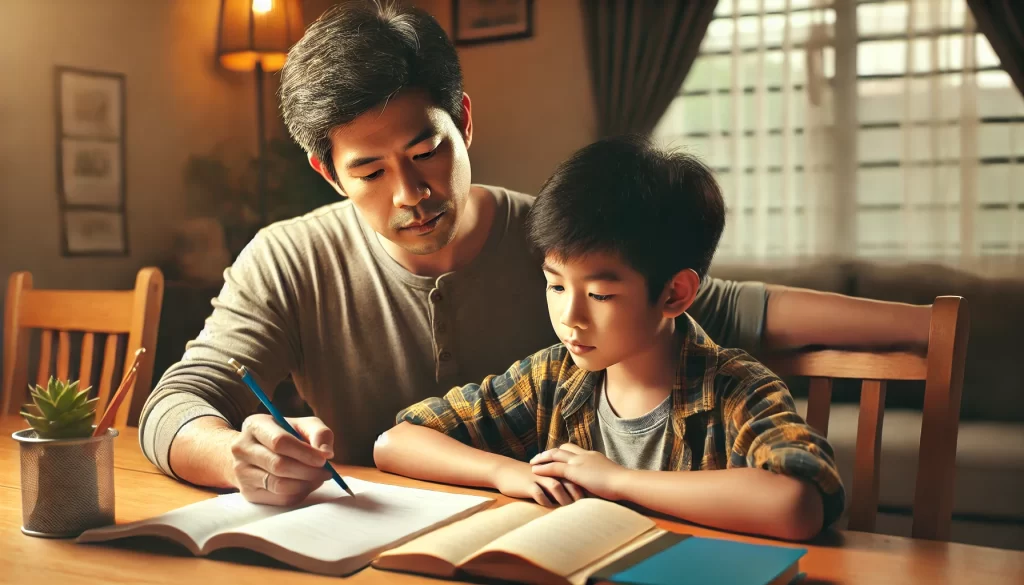
Fathers bring a different dynamic to parenting. While mothers often provide emotional support and nurturing, fathers tend to encourage exploration and independence. This balance is crucial for a child’s development. I remember the first time I let my daughter ride her bike without training wheels. Her mother was hesitant, but I knew she was ready. The look of triumph on her face when she managed to stay upright was priceless.
Fathers typically encourage risk-taking and problem-solving in ways that build resilience and confidence. They often engage in more physical play, which can help children develop motor skills and understand physical boundaries. This kind of interaction teaches children to navigate the world with a sense of curiosity and courage.
Emotional and Social Development
The influence of fathers extends deeply into the emotional and social realms. A father’s love and approval are pivotal in shaping a child’s self-esteem and social competence. I’ve found that open conversations with my children about their feelings and experiences create a safe space for them to express themselves honestly.
Children who have strong relationships with their fathers are more likely to develop healthy emotional regulation skills. They learn how to handle stress, form meaningful friendships, and exhibit empathy. This emotional intelligence is a cornerstone for their future success and happiness.
Role Models and Life Lessons

Fathers are often seen as role models, embodying values and behaviors that children tend to emulate. I strive to be a living example of integrity, kindness, and perseverance for my kids. It’s in the small everyday actions – helping a neighbor, dealing with setbacks, showing respect to others – that these lessons are most effectively imparted.
A father’s approach to handling challenges and treating others influences his children’s worldview and behavior. When fathers model respect, responsibility, and empathy, they set their children on a path to becoming well-rounded and compassionate individuals.
Work-Life Balance
Balancing work and family life is a challenge many fathers face. I’ve had my fair share of late nights and early mornings, trying to meet deadlines while making it home in time for dinner. Achieving this balance is crucial, not just for the father’s well-being, but for the family’s overall harmony.
Flexible work arrangements and a supportive partner can make a significant difference. Prioritizing family time and being present during key moments in your child’s life fosters a sense of security and belonging. Children remember these moments of connection and involvement far more than material gifts or grand gestures.
Nurturing the Next Generation
Fatherhood is an evolving journey that transforms not just the child, but the father as well. Every milestone, from the first word to graduation day, is a shared triumph. As fathers, our presence, actions, and love create a foundation upon which our children build their lives.
The role of fathers in child development is multifaceted and indispensable. From nurturing emotional bonds to encouraging independence, fathers shape their children’s futures in profound ways. So, to all the fathers out there, know that your involvement, no matter how small it may seem, has a lasting impact. Embrace every moment, for it’s these moments that weave the rich tapestry of your child’s life.


