


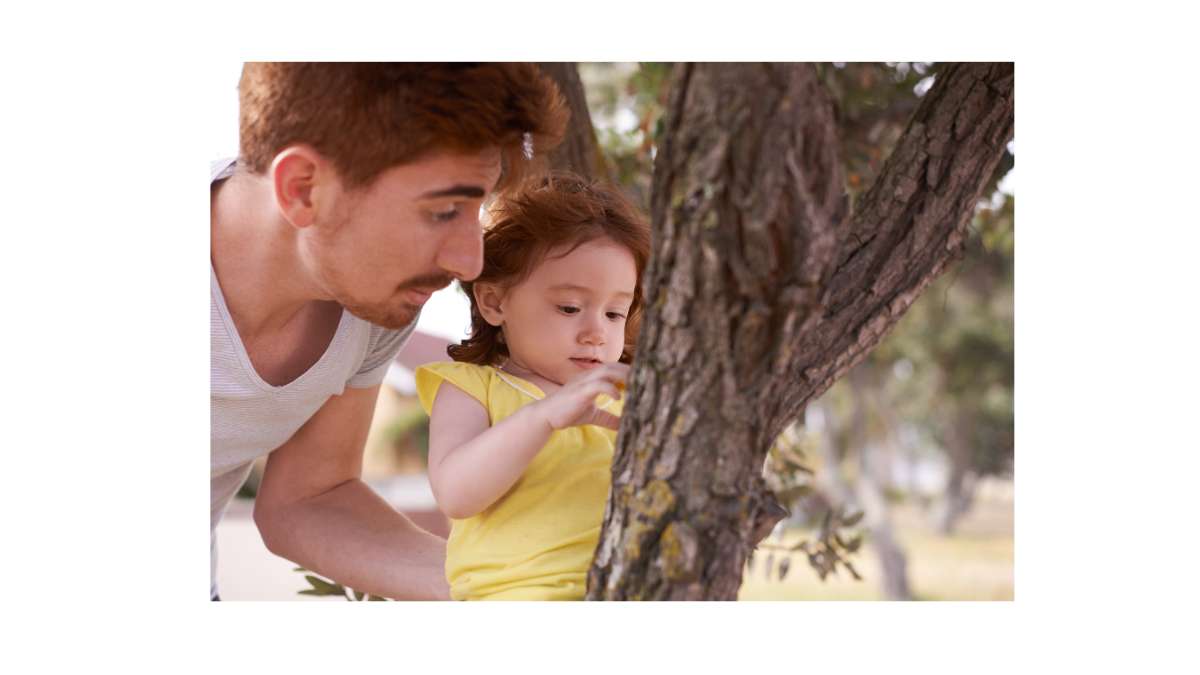
Children are born curious. From the moment they start to explore the world around them, they are full of questions—“Why is the sky blue?”, “What makes the car move?”, “Why do people speak different languages?” This natural curiosity is the root of learning, creativity, and critical thinking.
But in fast-paced, academically driven environments like those in Malaysia and Singapore, curiosity can sometimes take a back seat to exams and structured learning. As parents, fostering curiosity doesn’t mean rejecting academics—it means raising children who love to learn, ask questions, and think for themselves.
Here’s how you can encourage and nurture your child’s natural curiosity at home and beyond.

Why Curiosity Matters
Curiosity leads to:
- Deeper learning: Kids who are curious are more likely to engage actively and remember what they learn.
- Problem-solving skills: Curious children think creatively and explore multiple solutions.
- Confidence and independence: When kids are allowed to ask questions, they feel empowered to explore and express themselves.
- Adaptability: Curious minds stay open to change and new ideas—a key trait in today’s world.
How to Encourage Curiosity in Everyday Life
1. Create a Safe Space for Questions
Welcome questions, even if they seem repetitive or challenging. Respond with patience, and if you don’t know the answer, explore it together.
Try saying:
“That’s a great question. Let’s find out together!”
or
“I don’t know—but I’m curious too!”
2. Limit Over-Scheduling
When children are too tightly scheduled with tuition, enrichment, and homework, they lose the time to wonder, explore, and experiment.
Tip: Set aside unstructured play time or outdoor exploration on weekends. Curiosity thrives in space, not pressure.
3. Encourage Open-Ended Activities
Instead of only giving your child toys with fixed outcomes (like digital games or puzzle books), offer materials that spark creativity.
Ideas include:
- LEGO sets (without instructions)
- Recycled craft materials
- Science kits or nature collections
- Open-ended questions like “What do you think would happen if…?”
4. Model Curiosity Yourself
Children learn by example. Let them see you being curious—reading books, trying new recipes, visiting museums, or asking your own questions.
In Malaysia and Singapore, take advantage of local attractions like:
- Petrosains Discovery Centre (KL)
- Science Centre Singapore
- Aquariums, planetariums, or local history museums
5. Explore the Natural World
Nature is full of wonder. Even a walk in the park can lead to discussions about bugs, clouds, plants, and sounds.
Local tip: Visit Bukit Timah Nature Reserve, Penang Botanic Gardens, or neighbourhood gardens. Let your child collect leaves, spot insects, or take photos.
6. Read Widely and Often
Expose your child to books across topics—science, mythology, nature, inventions, space, history, and beyond. Ask open-ended questions as you read together.
Recommended local sources:
- National Library Board (Singapore) offers eBooks and themed borrowing kits
- Perpustakaan Negara Malaysia and popular bookstores like MPH or Popular have engaging children’s non-fiction
7. Praise Effort, Not Just Results
Instead of only celebrating correct answers or high marks, praise curiosity and the act of learning itself.
Say:
“I love how you kept asking questions until you understood.”
“You noticed something others didn’t—that’s being a good thinker.”
Encouraging Curiosity in School-Aged Children
As children grow older, help them pursue areas of interest: If your child loves animals, consider visiting a zoo or volunteering at an animal shelter If they’re curious about space, watch astronomy documentaries or attend a stargazing event.If they enjoy building, introduce them to STEM activities or coding games.
Support their questions, even if they diverge from the school curriculum. Curiosity is not a distraction—it’s a lifelong asset.
Curiosity is one of the greatest gifts you can nurture in your child. It lays the foundation for independent learning, emotional resilience, and a joyful outlook on life.
In a world that often focuses on answers, help your child fall in love with asking questions. After all, every great discovery—whether in science, art, or daily life—starts with a simple “I wonder…”


