


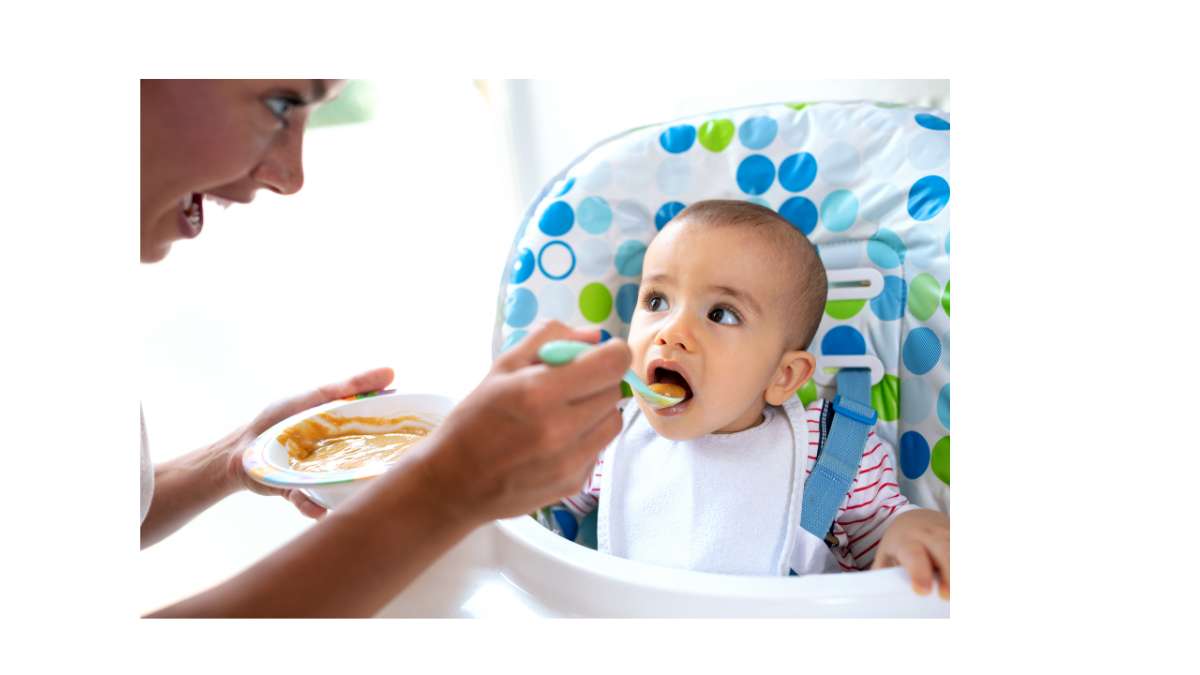
One of the most exciting milestones in your baby’s first year is the transition from milk to solid foods. Whether you’re parenting in Malaysia or Singapore, introducing solids can open the door to a lifetime of healthy eating habits. But it’s normal for parents to feel unsure about when and how to begin.
This guide walks you through the key essentials of starting solids, from signs of readiness to food choices and local tips that work best for Asian households.
When to Start Solid Foods
According to the World Health Organization and most pediatric guidelines in Malaysia and Singapore, babies should be exclusively breastfed (or formula-fed) for the first 6 months. Solid foods can be introduced around 6 months, while continuing milk feeds.
Every baby is unique, but look for these readiness signs:
- Baby can sit upright with minimal support
- Good head and neck control
- Shows interest in food (reaching out, watching you eat)
- Can close mouth around a spoon
- Loss of tongue-thrust reflex (doesn’t push food out with tongue)
First Foods to Try
Start with single-ingredient, soft, and easily digestible foods. Offer small amounts and wait 3–5 days before introducing another new food to monitor for allergies.
Great first solids include:
- Iron-fortified infant cereal (e.g., rice cereal)
- Mashed banana, avocado, or steamed pear
- Pureed pumpkin, carrot, or sweet potato
- Soft tofu or smooth porridge (plain or with vegetable puree)
In many Malaysian and Singaporean households, parents may also introduce:
- Mashed steamed rice with anchovy or chicken broth
- Pureed mung beans or lentils
- Finely grated apple or papaya
Tip: Avoid adding salt, sugar, or seasonings in the early stages.
Texture Progression
Over time, increase the texture and variety of your baby’s food.
- 6–8 months: Smooth purees and mashed foods
- 8–10 months: Soft, lumpy foods and finger foods
- 10–12 months: Soft chopped food, more variety in flavours
Expose your child to different tastes and textures early—it supports oral development and reduces fussiness later.
Allergies and Food Safety
Introduce common allergens (e.g., egg, peanut, fish) one at a time, in small amounts, and during the day so you can monitor reactions. Seek advice from your pediatrician if your baby has a family history of allergies.
Avoid:
- Honey (risk of botulism before 1 year)
- Cow’s milk as a drink (before 12 months)
- Choking hazards (e.g., whole grapes, nuts, popcorn)
Always supervise your baby while eating and ensure they’re sitting upright.
Establishing Healthy Eating Habits
- Eat together: Babies learn by watching. Sit and eat with them.
- Respect appetite cues: Don’t force-feed. Let them guide how much they want.
- Offer a variety: Encourage a rainbow of fruits, veggies, and grains.
- Be patient: Some babies take time to adjust to solids. It’s okay if they eat very little at first.
Cultural Tips for Local Families
Many families in Malaysia and Singapore blend cultural favourites into baby meals:
- Congee or porridge with soft fish or vegetables
- Pumpkin barley soup or mashed potato with spinach
- Steamed egg custard or soft beancurd
Just remember to leave out strong seasoning and sauces during the first year.
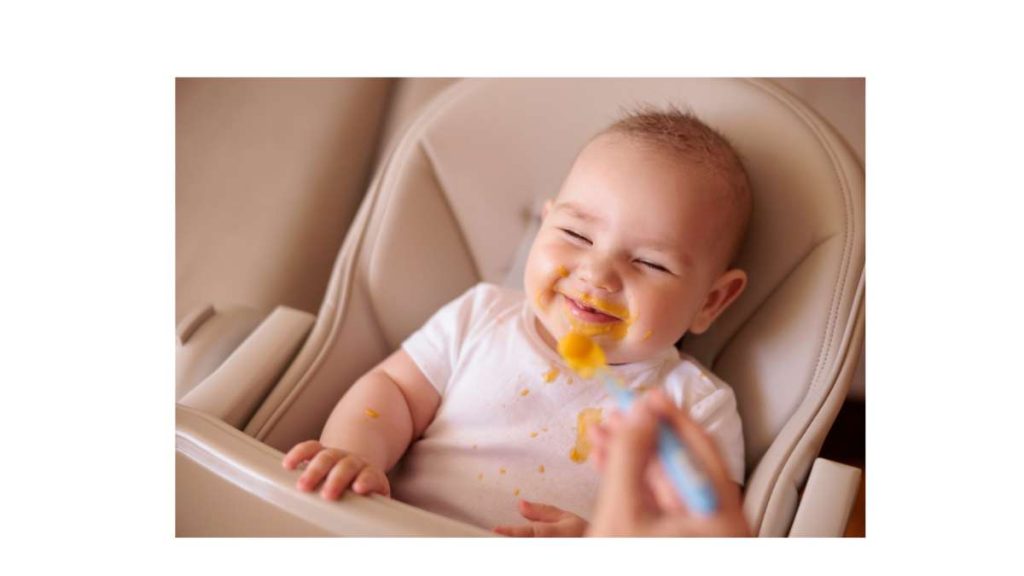
Introducing solid food is not just about nutrition—it’s about creating positive food experiences. Take it slow, follow your baby’s cues, and enjoy this fun, messy, and rewarding journey together.
Every spoonful is a step toward building healthy habits and happy mealtimes.


