



Reading to your child is one of the most powerful and rewarding activities you can do as a parent. It is more than just a bedtime ritual—it is a crucial tool for language development, cognitive growth, emotional bonding, and lifelong learning.
In Malaysia and Singapore, where multilingual environments are common, reading can help children develop strong literacy skills in multiple languages, giving them a competitive advantage in school and beyond. Whether it’s a storybook, a bedtime tale, or an interactive reading session, the benefits of reading to your child are immeasurable.
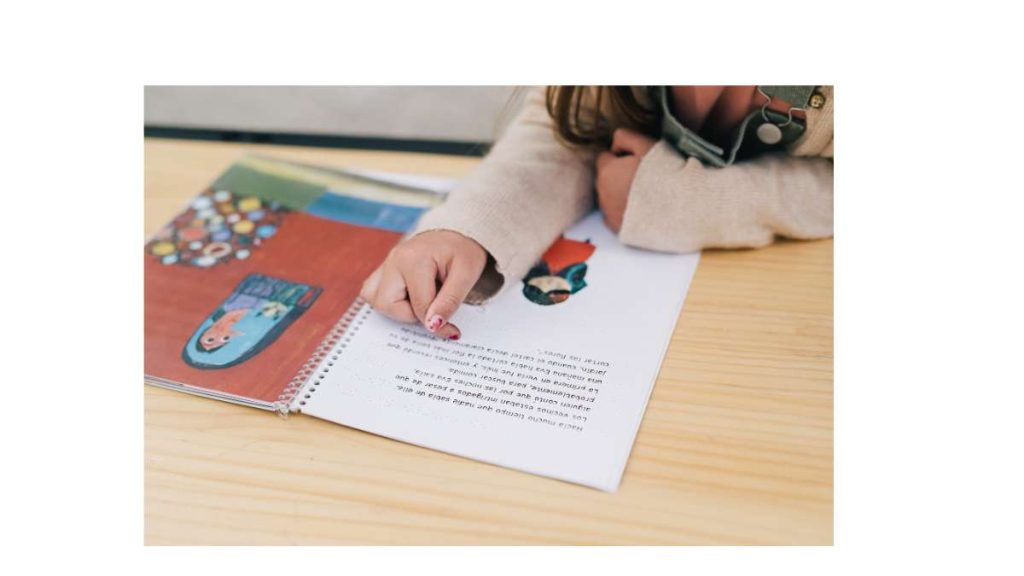
1. The Benefits of Reading to Your Child
A. Boosts Language and Communication Skills
Children pick up words, phrases, and sentence structures simply by listening to stories. Reading exposes them to:
✔ New vocabulary – Expands their knowledge of words and meanings.
✔ Proper grammar and sentence structure – Helps them form clear and correct sentences.
✔ Improved pronunciation – Hearing words correctly spoken enhances speech development.
Tip: Read in multiple languages if you speak more than one at home!
B. Enhances Cognitive and Brain Development
Reading stimulates critical thinking, imagination, and memory. Research shows that reading:
✔ Activates the brain’s language and comprehension centers.
✔ Improves focus, concentration, and attention span.
✔ Encourages problem-solving and logical thinking through storytelling.
Tip: Ask questions like “What do you think will happen next?” to engage your child’s thinking.
C. Encourages a Love for Learning
Children who enjoy reading early are more likely to become curious, knowledgeable, and independent learners. Books introduce them to:
✔ Different cultures and perspectives.
✔ Interesting facts about the world, science, and history.
✔ A creative mindset that inspires new ideas.
Tip: Introduce books that match your child’s interests—animals, space, adventure, or fairy tales!
D. Strengthens Parent-Child Bonding
Reading together creates a special moment of closeness. It fosters:
✔ Emotional connection – A sense of warmth and security.
✔ Quality time – Undistracted attention that children crave.
✔ A positive association with books – Making learning fun rather than a chore.
Tip: Make reading a nightly tradition to build a strong routine.
E. Prepares Children for Academic Success
Children who are read to from a young age often perform better in school. They:
✔ Develop stronger literacy skills before starting formal education.
✔ Understand storytelling structures, helping with writing and comprehension.
✔ Perform better in exams, as reading aids understanding in all subjects.
Tip: Let your child follow along with the words to improve their reading skills.
2. How to Make Reading Fun and Engaging
A. Choose Age-Appropriate Books
✔ For babies (0-2 years) – Soft, colorful books with textures and large pictures.
✔ For toddlers (3-5 years) – Interactive books with rhymes, sounds, and repetition.
✔ For young kids (6-8 years) – Simple storybooks with engaging illustrations.
✔ For older kids (9+ years) – Chapter books, comics, and knowledge-based books.
Tip: Visit libraries or bookstores in Malaysia and Singapore to explore local children’s books!
B. Use Expressive Reading
✔ Change your tone, pitch, and pace to make the story come alive.
✔ Use different voices for characters.
✔ Add facial expressions and gestures to make it more entertaining.
Tip: Act out parts of the story to keep your child engaged!
C. Encourage Participation
✔ Let your child turn the pages and point to pictures.
✔ Ask questions like “What do you see?” or “What do you think happens next?”
✔ Let them finish sentences in familiar stories.
Tip: Create a reading corner with comfy cushions and shelves of books to make it exciting!
D. Make Reading a Daily Habit
✔ Read at the same time every day (before bed, after meals, etc.).
✔ Keep books accessible so children can pick them up anytime.
✔ Be patient and encouraging—never force them to read.
Tip: Set an example by reading in front of your child to show that books are enjoyable.
3. Overcoming Common Challenges
“My child is not interested in books.”
Find books on topics they love (dinosaurs, princesses, superheroes, etc.).
“They won’t sit still for a story.”
Keep sessions short and interactive—even 5 minutes counts!
“We are too busy.”
Read during mealtime, car rides, or bedtime—small moments matter.
4. Final Thoughts: The Gift of Reading
Reading to your child is an investment in their future. It enhances their language, imagination, academic skills, and emotional well-being while strengthening your bond. The earlier you start, the better the benefits—but it’s never too late to begin!
Make reading a joyful experience, and watch your child develop a lifelong love for books.


