


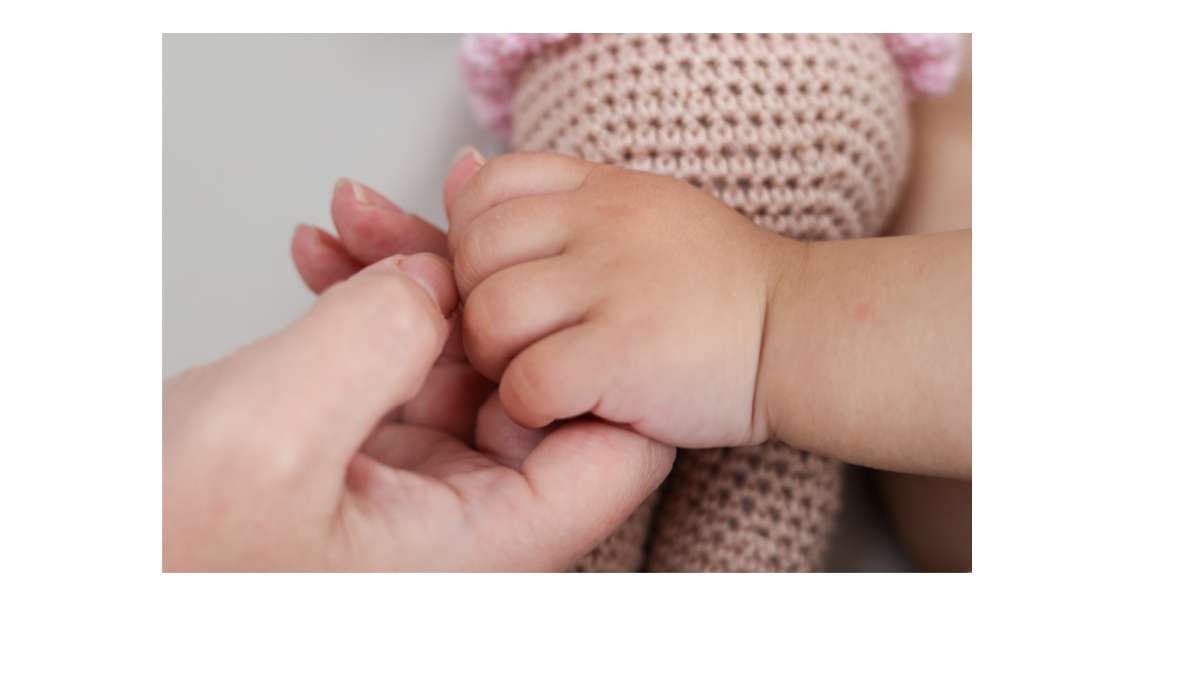
The postpartum period, often referred to as the “confinement” period in many cultures, is a crucial time for new mothers to recover physically and emotionally after childbirth. In countries like Malaysia and Singapore, confinement is an integral part of traditional care, often guided by specific rituals and dietary practices.
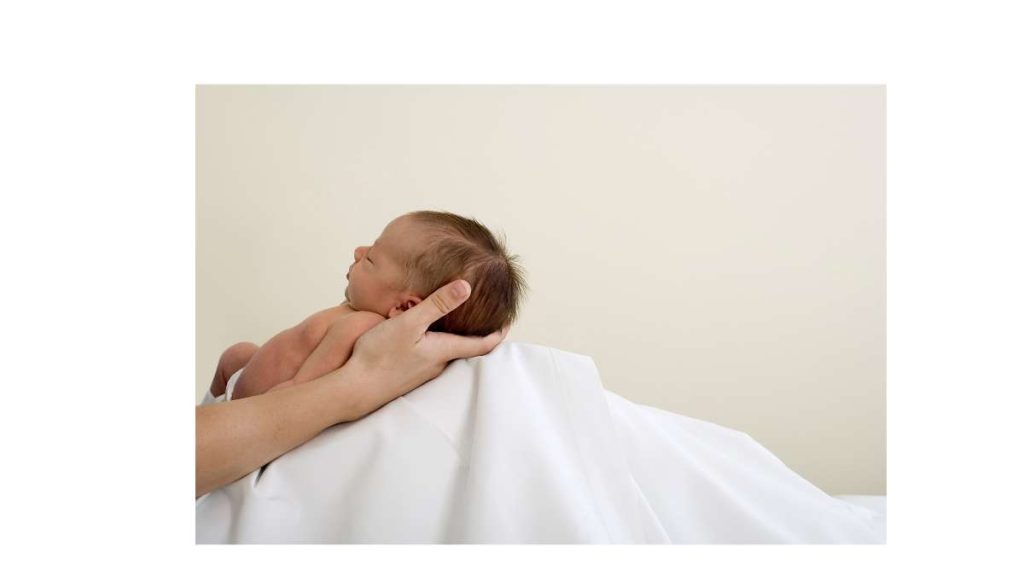
1. What is Confinement and Why is it Important?
Confinement refers to a traditional practice where new mothers “rest” and follow specific dietary, physical, and emotional care guidelines during the first 30 to 40 days after childbirth.
- Physical Recovery: Childbirth is a physically demanding process that can leave a mother feeling fatigued and sore. Confinement offers time for rest, healing, and recovery from any potential complications during labor.
- Hormonal Balance: After childbirth, a woman’s body undergoes significant hormonal changes as it returns to pre-pregnancy conditions. Confinement helps manage these fluctuations and reduces the risk of postpartum depression and anxiety.
- Cultural and Emotional Support: Many cultures emphasize the emotional and mental well-being of new mothers, ensuring that they receive support from family and close-knit communities. This reduces the stress of caregiving and allows mothers to adjust to their new roles with fewer worries.
In essence, confinement provides a framework of care to help new mothers heal, rest, and regain energy for the challenges ahead.
2. Common Confinement Practices and Beliefs
While confinement practices may vary depending on cultural background, many practices share common elements that promote recovery and well-being. In Malaysia and Singapore, many Chinese, Malay, and Indian families follow their cultural customs for postpartum care.
- Rest and Limited Movement: One of the cornerstones of confinement is the focus on rest. Mothers are encouraged to minimize physical activity and avoid stressful situations to allow the body to heal. This period is often marked by staying indoors and limiting physical exertion.
- Dietary Restrictions and Special Foods: A key aspect of confinement is the consumption of specific foods believed to promote healing and restore strength. Common foods include ginger, herbs, fish, black vinegar, and special soups that are believed to cleanse the body and boost energy levels.
- Avoidance of Cold: In many cultures, there’s a belief that new mothers should avoid exposure to cold temperatures to prevent “cold winds” from affecting the body. This is why many confinement practices emphasize warm foods, drinks, and the use of blankets and heat.
- Daily Body Care: Practices like herbal baths or massages may be recommended during confinement to soothe the body, alleviate muscle tension, and improve circulation.
3. Modern Approaches to Confinement: Balancing Tradition with Practicality
While traditional confinement practices provide many benefits, it’s important for modern mothers to find a balance between cultural customs and practical needs. Here are some ways to approach confinement in a way that fits with today’s busy lifestyle:
- Seek Support from Family and Professionals: Whether you choose to follow traditional confinement practices or prefer a more modern approach, support is essential. Many mothers find it helpful to have family or a trained confinement nanny assist with household tasks and baby care. This gives the mother time to rest and recover while focusing on bonding with the baby.
- Personalized Dietary Plans: While many confinement diets emphasize specific foods, modern mothers should consider their dietary preferences and health conditions. For example, vegetarian mothers or those with dietary restrictions can adapt the traditional confinement meals to suit their needs. It’s important to ensure that meals are nutritious, balanced, and provide sufficient protein, iron, vitamins, and minerals.
- Physical Activity: While complete rest is recommended in traditional confinement practices, light physical activity—such as walking or stretching—can promote healing and prevent muscle stiffness. However, it’s crucial to listen to your body and not overexert yourself.
- Mental Health:It’s common for new mothers to experience a range of emotions, from joy to anxiety. Engaging in activities that boost mental health, such as talking to friends, practicing mindfulness, or even seeking counseling if needed, can be beneficial during this period.
- Integrating Technology: With technology, it’s easier than ever to access resources that support both physical and emotional well-being. Online consultations with healthcare professionals, meal planning apps, and support groups can all make the confinement period more manageable for new mothers.
While it’s important to honor cultural traditions, modern mothers can adjust their confinement practices to suit their individual needs and lifestyle.
4. The Benefits of a Proper Confinement Period
When done correctly, the confinement period can offer several physical, emotional, and practical benefits for both the mother and her baby:
- Physical Healing: Taking the time to rest, eat nourishing foods, and avoid overexertion allows the body to recover from childbirth. This can help mothers regain their strength and energy for the months ahead.
- Hormonal Stabilization: A well-managed confinement period can help balance these hormones and reduce the risk of postpartum depression.
- Emotional and Psychological Support: Many mothers experience emotional highs and lows during the postpartum period. The confinement period provides an opportunity for mothers to bond with their babies, receive emotional support from family members, and ease the transition into motherhood.
- Breastfeeding Success: Confinement practices often emphasize rest and minimal stress, which can enhance a mother’s ability to breastfeed. By staying relaxed and receiving support, mothers may have a smoother time establishing breastfeeding.
Ultimately, the confinement period offers a structured approach to postpartum care that promotes long-term health and emotional well-being.
5. A Holistic Approach to Postpartum Care
Confinement, while rooted in tradition, is an essential practice that supports new mothers in their postpartum recovery. Whether you adhere to cultural practices or opt for a more modern approach, the key is to prioritize rest, nourishment, and emotional support during this critical time. By integrating both traditional and contemporary methods, new mothers can create a balanced, healthy environment for themselves and their newborns.
Remember, every mother’s postpartum journey is unique, and it’s important to listen to your body, seek support, and make choices that feel right for you. Confinement can be a time of healing, self-care, and bonding—setting the stage for a strong, happy start to motherhood.


